Understanding Local Building Codes and Compliance
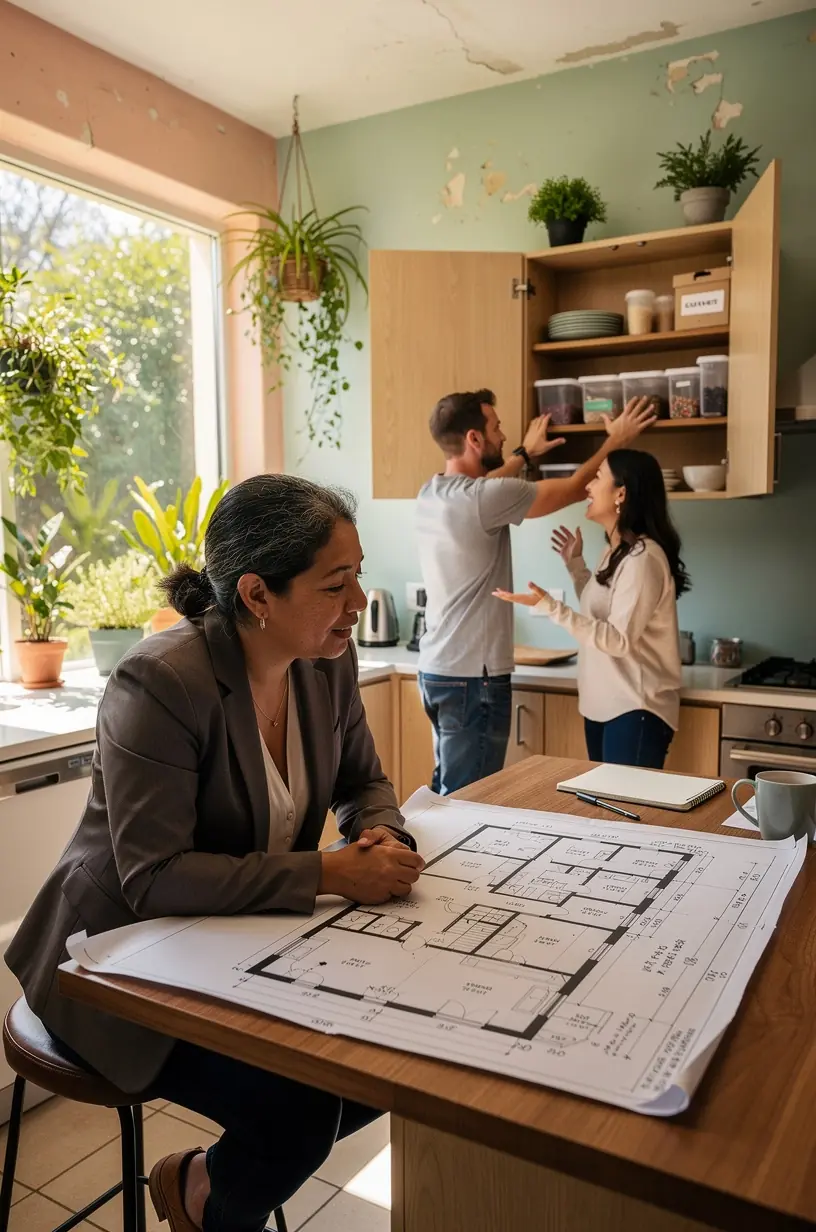
Navigating local building codes can be complex, yet understanding them is essential for optimizing your living spaces for comfort and efficiency. In this article, we will explore the basics of building codes, their importance, and how you can ensure compliance in your zoning projects.
Understanding the Basics
Building codes are sets of regulations created to ensure safety, health, and general welfare in the construction and alteration of buildings. According to the International Code Council (ICC), these codes serve as a guideline to ensure that structures are built in a way that protects inhabitants and meets community standards.

"Building codes are critical for maintaining the safety and integrity of structures, providing essential guidelines for builders, architects, and homeowners alike."
Why Compliance Matters
Compliance with local building codes is not merely about following the law; it can significantly affect the functionality and efficiency of your home. Experts recommend that compliance can often lead to:
- Enhanced safety: Ensuring that your home meets safety standards can prevent potential hazards.
- Increased property value: Homes that adhere to local codes typically retain higher market values.
- Avoidance of costly fines: Non-compliance may result in fines or costly modifications later on.
Steps to Ensure Compliance
Here’s how you can ensure your projects meet local building codes:
- Research Local Codes: Start by familiarizing yourself with your local building codes. Many municipalities provide accessible online resources detailing code requirements.
- Consult with Professionals: Engaging a local zoning consultant or building inspector can provide insights tailored to your specific project, ensuring you understand all requirements.
- Submit Plans for Approval: Before starting any construction, submit your plans to the local building department for review. This process typically takes 2-4 weeks, depending on local regulations.
Common Pitfalls to Avoid
While navigating building codes, be mindful of these common pitfalls:
- Overlooking Updates: Building codes are often updated; ensure you are referencing the latest versions.
- Ignoring Permit Requirements: Failing to obtain necessary permits can lead to significant delays and costs.
- Assuming Local Codes are Uniform: Building codes vary widely even within the same state. Always check local regulations.
Conclusion
Understanding and complying with local building codes is a crucial step in optimizing your living space. By educating yourself on the specifics of your local regulations, consulting with professionals, and following a clear plan for compliance, you can enhance the safety, efficiency, and value of your home. Remember, while the process may require a commitment of time and effort, the benefits of a well-compliant structure can be substantial.