The Role of Color Psychology in Home Zoning
Creating a comfortable and efficient living space often involves more than just the arrangement of furniture; color plays a critical role in home zoning. This article explores how color psychology can enhance the atmosphere of your home, promoting comfort and productivity.
Understanding Color Psychology
Color psychology examines how colors affect human behavior and emotions. According to research, colors can influence mood and cognitive functions, which is why many users report feeling different levels of comfort and energy in spaces painted in various hues. For instance, blues and greens are often associated with calmness and relaxation, while reds and oranges can stimulate energy and creativity.

"Color is a power which directly influences the soul." - Wassily Kandinsky
Applying Color Psychology in Home Zoning
When zoning your home, it's essential to consider how different colors can impact the functionality of each area. Here are some strategies to effectively incorporate color psychology:
- Living Areas: Soft, neutral colors like beige or light gray can create a welcoming atmosphere, making them ideal for living rooms. These colors tend to promote relaxation and social interaction.
- Workspaces: Bright colors such as yellow or light green are often linked to creativity and productivity. According to studies, incorporating these hues in home offices can result in increased focus and motivation, making them suitable for work zones.
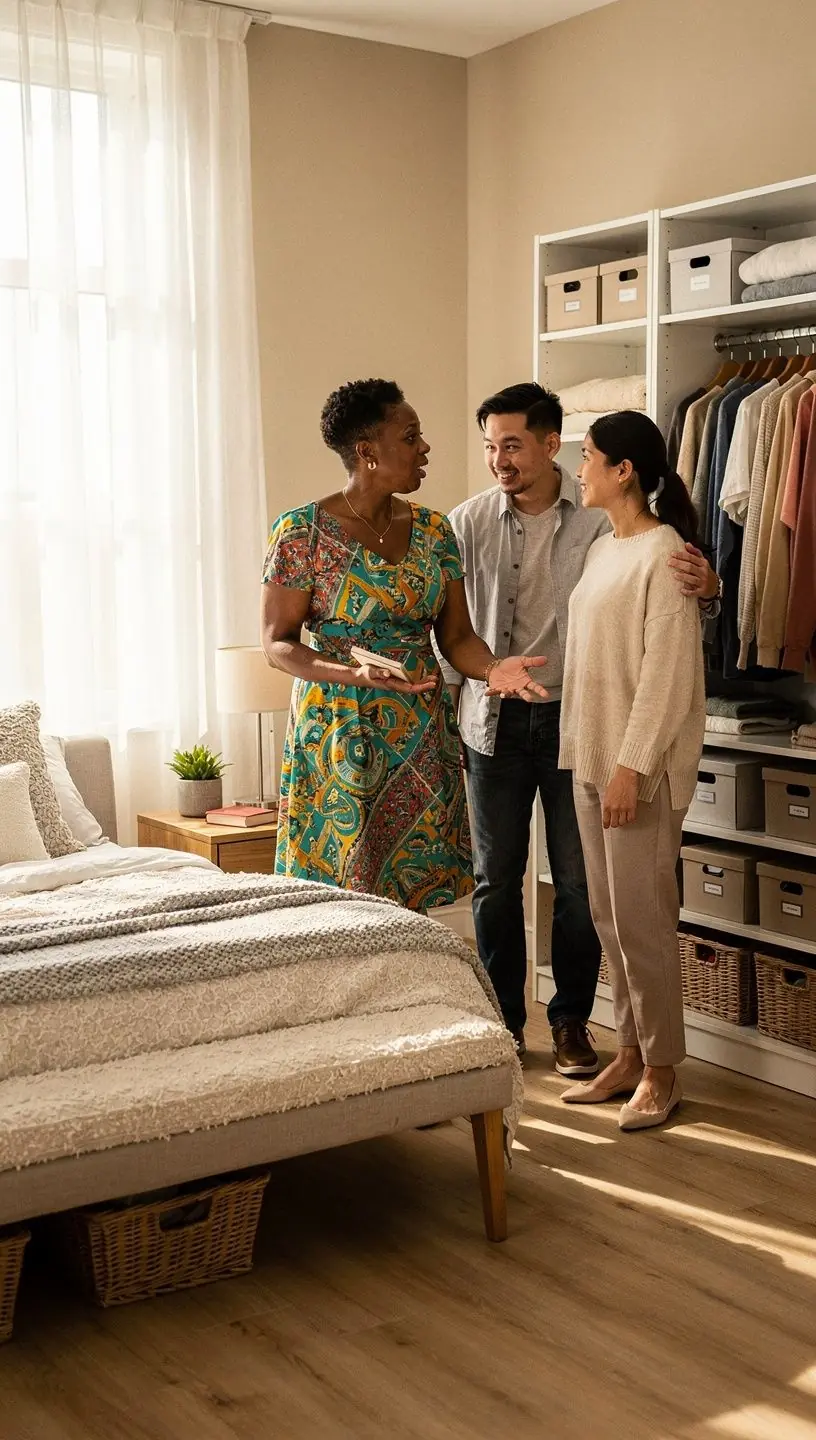
- Bedrooms: Cool colors like soft blue or lavender are typically recommended for bedrooms, as they can help reduce stress and promote better sleep. Industry experts suggest that these colors contribute to a soothing environment for rest.
Considerations and Limitations
While color psychology can significantly enhance the ambiance of your home, it is essential to acknowledge that results can vary based on individual preferences and cultural backgrounds. For example, what may evoke calmness in one person could be perceived as dull by another. Additionally, achieving the desired effect may involve testing different shades and combinations, which can require time and creativity.
Conclusion
Incorporating color psychology into your home zoning strategy can help create spaces that not only look appealing but also enhance comfort and efficiency. By understanding how colors affect mood and behavior, you can tailor your living environment to better meet your needs. Remember, the process may take time and experimentation, but the benefits can lead to a more harmonious home life.