How to Assess Your Home's Zoning Needs
Understanding your home's zoning needs is essential for optimizing space, comfort, and efficiency. This article will guide you through the assessment process.
Understanding the Basics of Home Zoning
Home zoning involves dividing your living space into different areas to manage heating, cooling, and lighting effectively. According to industry experts, proper zoning can enhance comfort levels and reduce energy costs. In many cases, homeowners report savings of up to 30% on their energy bills after implementing zoning strategies.

"Effective zoning strategies lead to a more comfortable living environment and significant cost savings." – Home Energy Efficiency Report
Why Zoning Matters
Implementing a zoning strategy in your home can lead to various benefits:
- Improved Comfort: Different areas can be conditioned according to their specific needs, ensuring a more consistent indoor climate.
- Energy Efficiency: By only heating or cooling spaces that are in use, you can significantly reduce energy consumption.
- Cost Savings: Many homeowners see reduced utility bills after improving their home's zoning, typically within a few months of making changes.
Assessing Your Home's Zoning Needs
To assess your home's zoning requirements, consider the following steps:
- Evaluate Your Current Setup: Take note of how different areas in your home are currently heated or cooled. Are there rooms that feel too hot or too cold? Identifying these discrepancies can help you understand where zoning might be beneficial.
- Identify Space Usage: Analyze how often you use each area of your home. Rooms that are rarely occupied may not need the same level of conditioning as those that are frequently used.
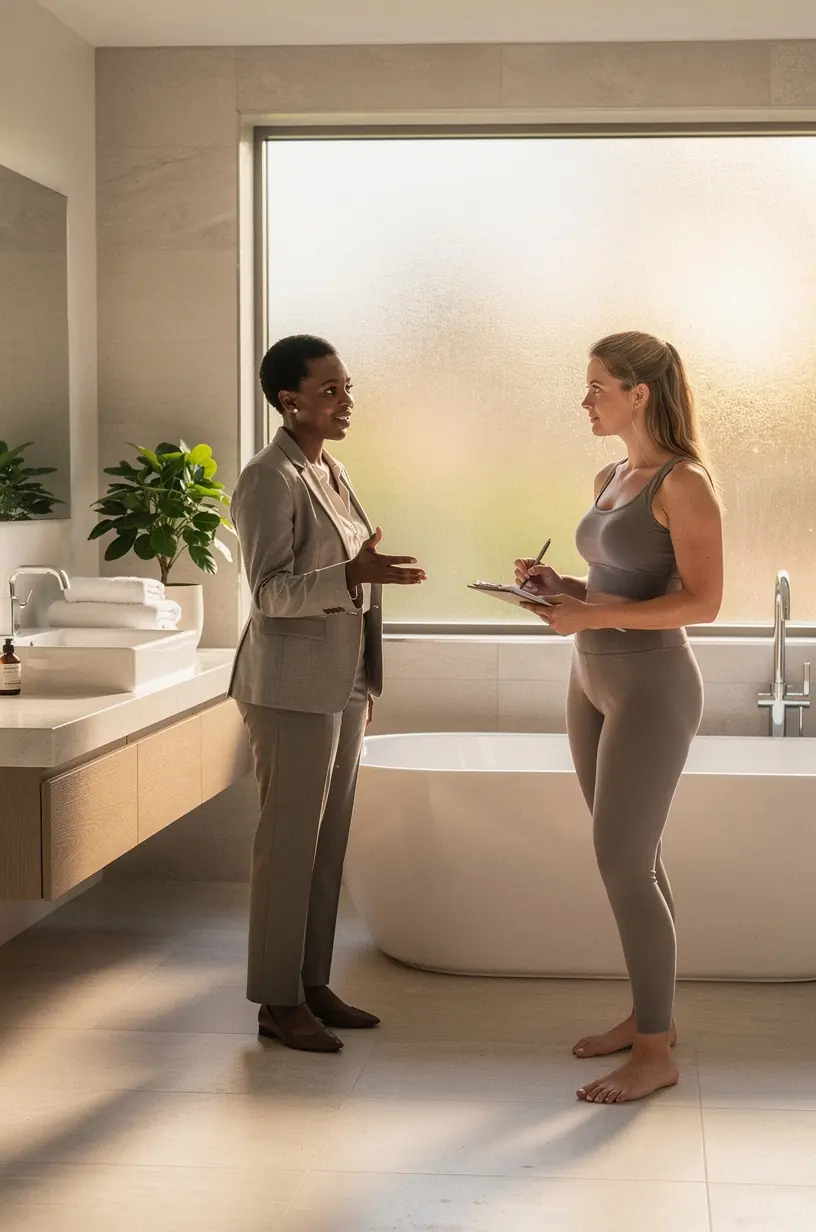
- Consult Industry Experts: Bringing in a zoning consultant can provide you with tailored advice and solutions. They can assess your home’s layout and recommend effective zoning methods based on your specific needs.
Common Zoning Strategies
Here are some zoning strategies that are often recommended:
- Thermostat Control: Installing multiple thermostats can allow for better temperature control in different areas of the home.
- Smart Technology: Many homeowners are now using smart home systems that can adjust heating and cooling based on occupancy and time of day, leading to greater efficiency.
- Radiant Heating: In some cases, radiant heating can be an effective way to zone spaces, particularly in bathrooms or kitchens.
Conclusion
Assessing your home’s zoning needs can lead to improved comfort, energy savings, and enhanced living space efficiency. By evaluating your current setup, identifying space usage, and consulting with experts, you can develop a zoning strategy that works for you. Keep in mind that implementing zoning changes typically takes time and may involve an initial investment, but the long-term benefits are often worth it.
Learn More